RESEARCH
Whole Child International is dedicated to developing and implementing evidence-based best practices in childcare and child welfare. We prioritize collaboration and learning from other organizations to ensure that resources are used as effectively and widely as possible to improve children’s lives and learning outcomes.
Our publications reflect our commitment to global leadership in this field, showcasing our practices, demonstrating their effectiveness, contributing to the body of literature, and providing a strong foundation for training practitioners. Please explore the resources listed below:
For further information, please contact us at info@wholechild.org.
RESEARCH
Best Practices for Family-Based Foster Care in Latin America (2024)
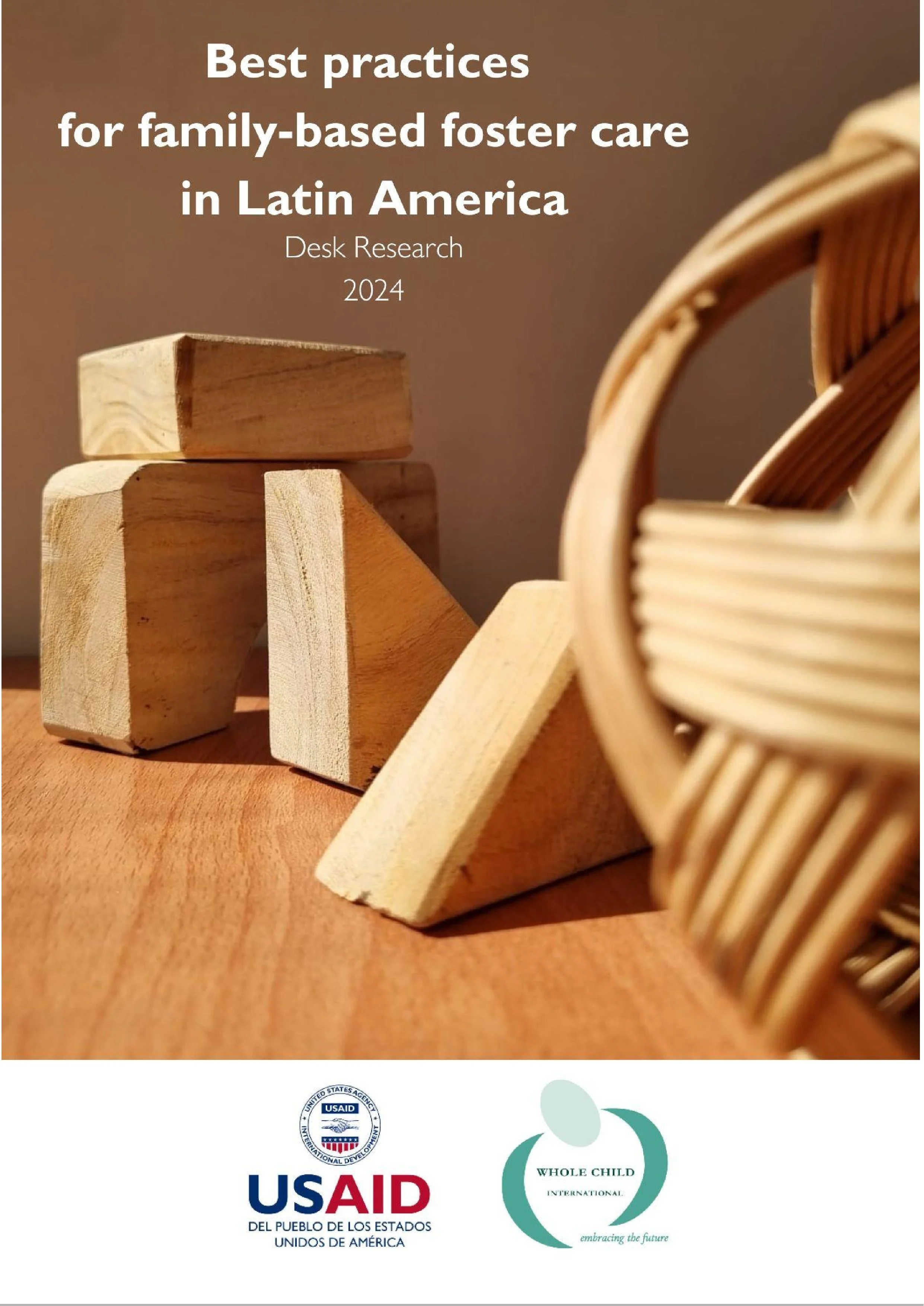
This study reviews foster care systems across 13 Latin American countries to identify promising practices, common challenges, and lessons learned. Drawing on 110 legal, policy, academic, and technical documents, it examines how countries are working to uphold children's right to grow up in a family environment through foster care and other family-based care approaches. The report highlights effective strategies, emerging models, and ongoing challenges, including resource constraints, cross-sector coordination, and program evaluation. (Translated from the original spanish version)
Best Practices for Family-Based Foster Care in Latin America (2024)
Spanish version
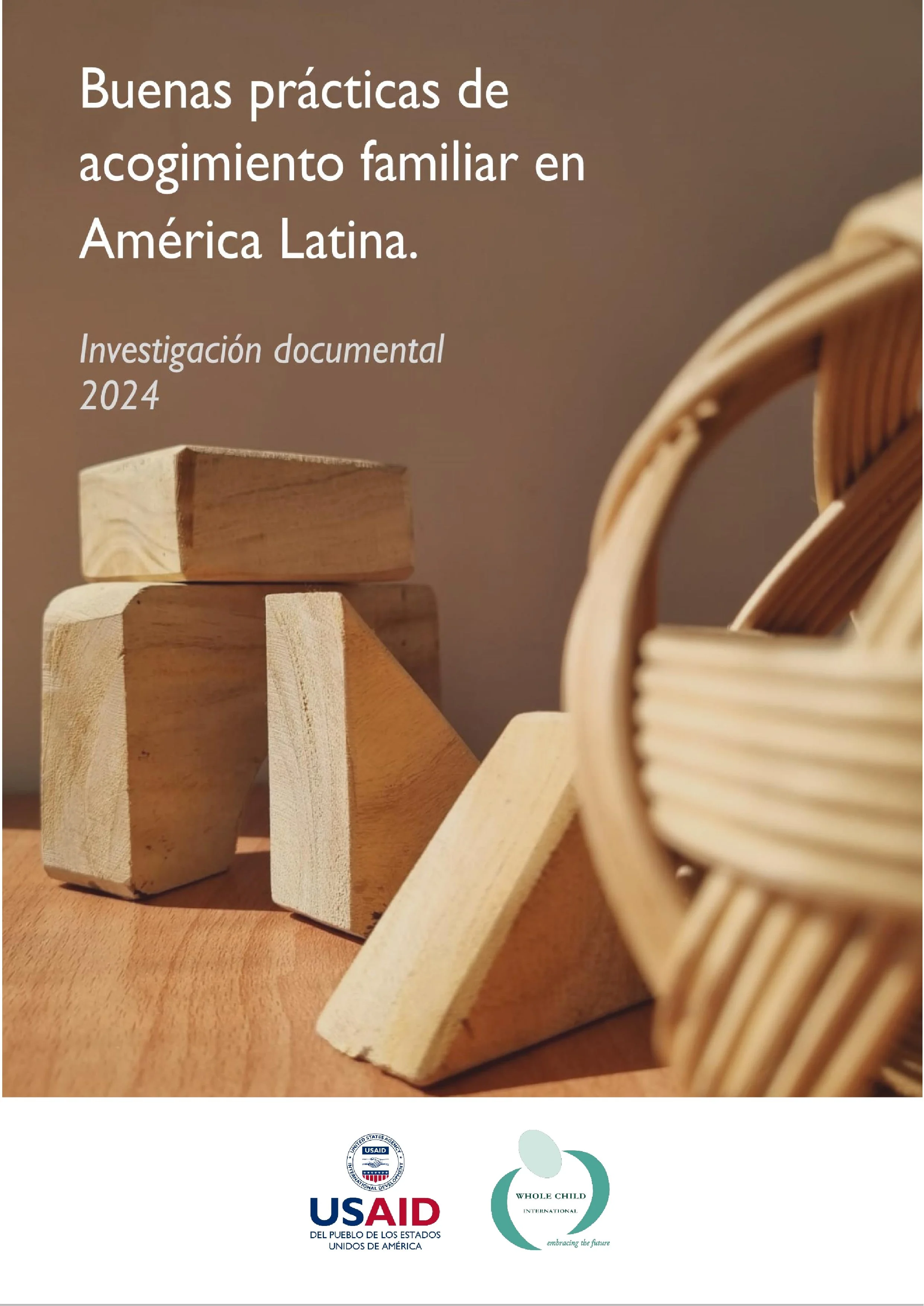



This study reviews foster care systems across 13 Latin American countries to identify promising practices, common challenges, and lessons learned. Drawing on 110 legal, policy, academic, and technical documents, it examines how countries are working to uphold children's right to grow up in a family environment through foster care and other family-based care approaches. The report highlights effective strategies, emerging models, and ongoing challenges, including resource constraints, cross-sector coordination, and program evaluation.
Assessing childcare quality in low-resource settings requires tools that reflect local realities and priorities. This research compares the ECERS-R, a widely used childcare quality assessment developed in high-resource settings, with the WCI-QCUALS (Whole Child International Quality Childcare Universal Assessment for Limited Resource Settings), an assessment tool developed by Whole Child International specifically for low-resource contexts. Using data from 34 childcare centers in El Salvador serving approximately 918 children, researchers found that WCI-QCUALS was better able to identify meaningful differences in quality across centers and provide practical, contextually relevant information to support quality improvement. The findings highlight the importance of assessment tools designed for the settings in which they are used.
Preparing a skilled workforce to support children, adolescents, and families requires strong educational and professional training opportunities. This research examines the academic programs and continuing education available in El Salvador for professionals working in child and adolescent care and protection. Through a review of university curricula, professional development offerings, and input from educators, institutions, and students, the study identifies strengths, gaps, and opportunities to strengthen workforce preparation. Findings highlight the need for expanded training in areas such as trauma-informed care, family strengthening, case management, and specialized services for vulnerable children and adolescents.
Drawing on national data from 2011 to 2021, this report examines key trends affecting children and adolescents in El Salvador through the lens of the country’s current child protection framework, the Ley Crecer Juntos para la Protección Integral de la Primera Infancia, Niñez y Adolescencia. The analysis explores indicators related to development, protection, and participation rights, providing evidence to support informed decision-making, policy development, and program planning.
How does the child protection system work in El Salvador? This research was developed to answer that question by mapping the protection process and examining the roles and responsibilities of the institutions and professionals involved at each stage. Through interviews with key stakeholders from the Sistema Nacional de Protección Integral de la Primera Infancia, Niñez y Adolescencia (SNPINA), the report provides both a practical overview of the protection pathway and insights from those working within the system.
A downloadable flowchart of the protection process is included.
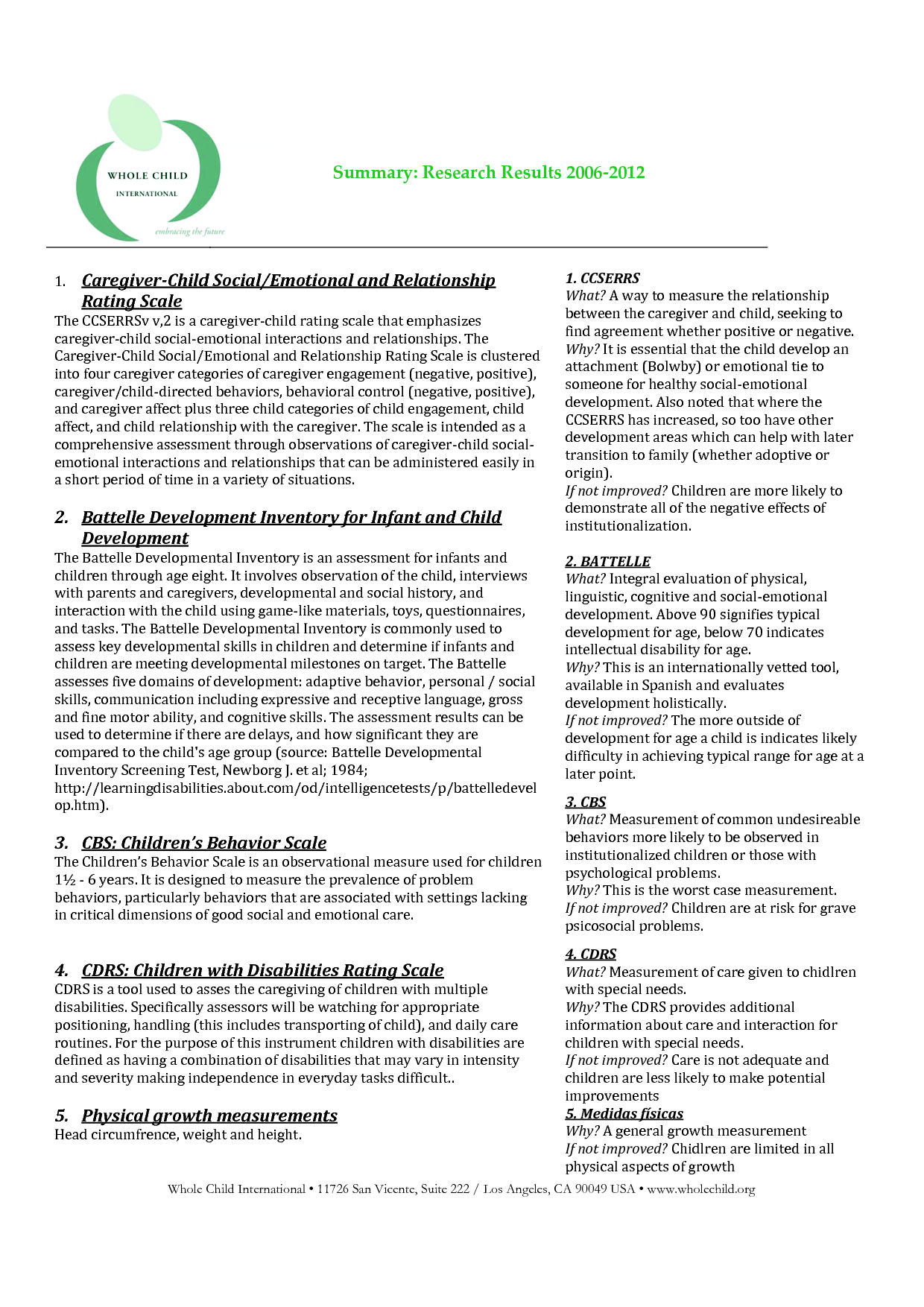
Drawing on research conducted between 2006 and 2012, this report provides a snapshot of early findings from Whole Child International's work to improve the quality of care in residential childcare settings. The results highlight how strengthening caregiver-child relationships and caregiving practices can lead to improvements in child development, behavior, and physical growth.
Using pre- and post-intervention data from five child protection centers in Nicaragua, this report explores how improvements in caregiving practices can influence child development. Whole Child International's intervention focused on strengthening caregiver-child relationships through training, coaching, and changes to daily care routines. The findings highlight positive changes in caregiving quality, child development, and physical growth across participating centers.
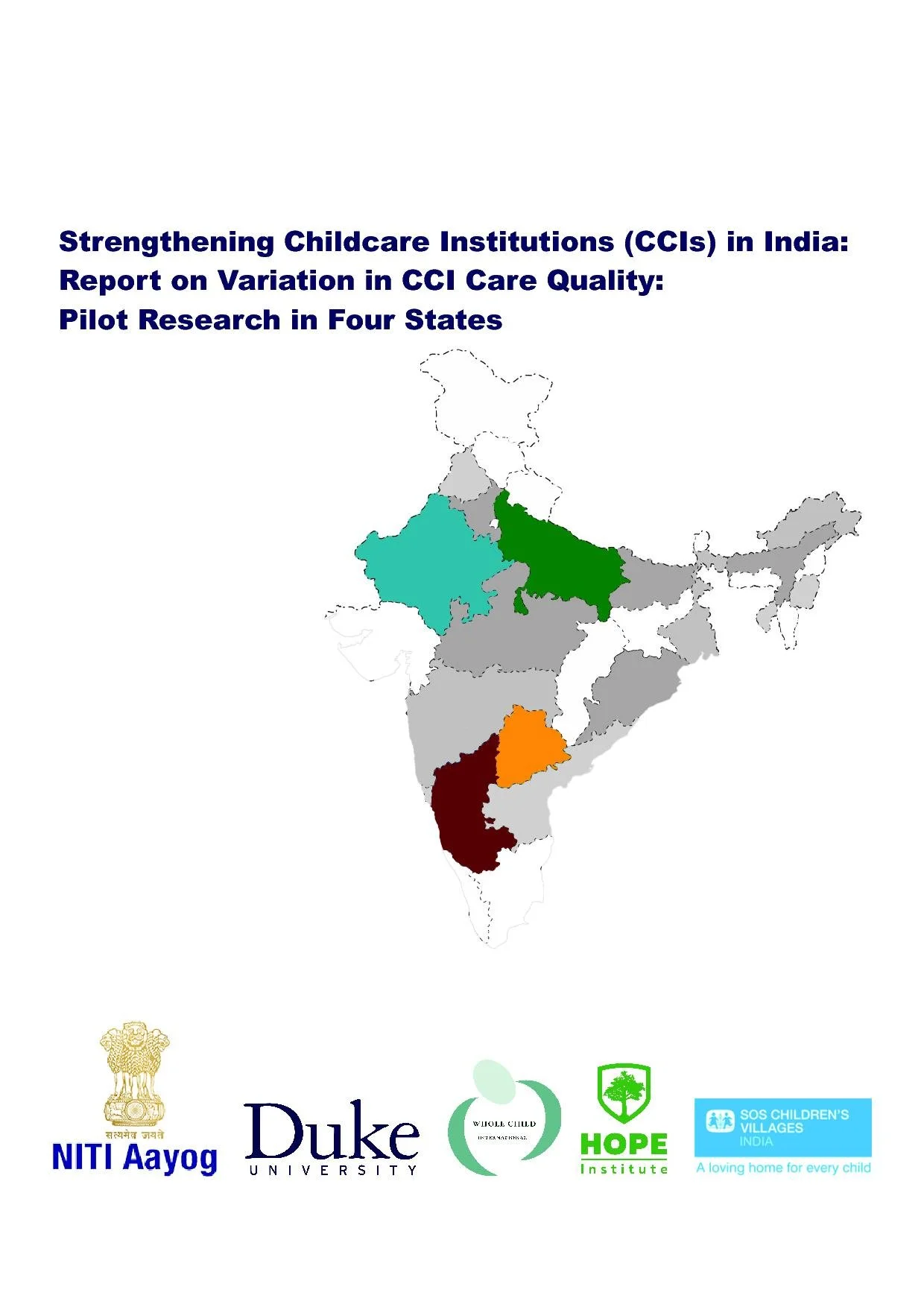
India has a robust framework of policies and legislation that highlight the importance of applying the "best interest" standard in Child Care Institutions (CCIs), including the Juvenile Justice Act (2015), the Juvenile Justice Model Rules (2016), and the Integrated Child Protection Scheme (2009), among others. This legislative infrastructure reflects the Indian government's response to the 2014 recommendations of the UN Committee on the Rights of the Child.
This study provides a detailed examination of caregiving environments, organizational structures, caregivers, caregiver-child interactions, and children's development in three residential care institutions in Nicaragua and El Salvador. The findings underscore the importance of consistent, nurturing caregiver-child relationships and their connection to children's developmental and behavioral outcomes.
A comparison of assessment tools for childcare centers in high vs. low resource settings (2024)
Higher Education and Continuing Professional Development for Professionals Working with Children and Adolescents (2024)
Analysis of Data on the Situation of Children and Adolescents in El Salvador, 2011-2021 (2024)
Strengthening El Salvador's Child Protection System: Gap Analysis and Recommendations
(2021)
Summary - Research Results (2013)
The Effects of a Social-Emotional Intervention on Caregivers and Children in Five Central American Institutions (2012)
Strengthening Childcare Institutions (CCIs) in India: Report of Variation in CCI Care Quality: Pilot Research in Four States (2020)
Characteristics of Enviroment, Caregivers and Children in Three Latin American Orphanage (2009)